
Little Helpers, Big Hearts
(Written by Emily Thomas)
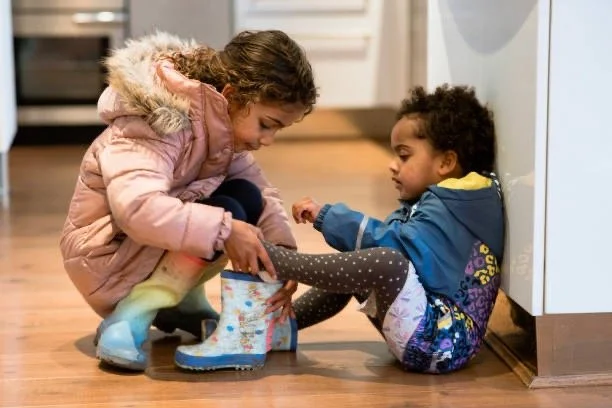
There's something magical about watching a toddler carefully hand you a flower they've picked, or seeing a preschooler's face light up as they help a friend zip their jacket. These small moments of kindness aren't just adorable—they're the building blocks of empathy, connection, and a caring heart. As caregivers, we have this beautiful opportunity to nurture kindness in the children we spend time with, not through grand gestures or elaborate lessons, but through the simple, everyday moments that fill our days together.
Research shows that children as young as 18 months can demonstrate empathy and helping behaviors, which honestly makes so much sense when you think about it. We've all seen toddlers get upset when another child is crying, or try to share their toy with a sad friend. They might not have the words yet, but they're feeling it. When we intentionally create opportunities for kindness throughout our day together, we're helping children develop emotional intelligence, strengthen their relationships, and build a foundation for becoming compassionate members of their communities.
Growing Kindness at Every Stage
Working with the youngest ones, those precious toddlers between one and three, you're in such a tender stage. They're just beginning to understand that other people have feelings too, and honestly, it's amazing to witness. You can see the gears turning as they connect the idea that kindness matters. Even those simple walks around the neighborhood are perfect for practicing the simple act of greeting others. When you wave enthusiastically to a neighbor or the mail carrier and encourage them to join in, you're normalizing the idea that we acknowledge and welcome the people around us. It seems small, but it's building their understanding that we're all connected, that a simple wave or hello can brighten someone's day.
As children grow into the preschool years, from about three to five, you start to see their capacity for intentional kindness really blossom. This is when things get so fun because they can participate in planning kind acts. The process of creating something specifically to bring joy to another person is powerful, and whenever possible, helping them deliver it in person so they can see the recipient's face light up creates this beautiful feedback loop. They start to understand that their efforts can create joy.
This age is also perfect for playing what can be called a "feelings detective." You can do this with real situations when they arise—"I wonder how your friend felt when you shared your toy with them?"—or you can practice with stuffed animals during playtime. "Oh no, bunny looks worried! What do you think is wrong? What can we do to help?" You're building their emotional awareness while keeping it playful and engaging. They're learning to notice, to care, and to problem-solve around feelings, which is really the heart of kindness.
Keeping card materials on hand is wonderful because preschoolers love this activity. Prompt them with questions like, "Who should we make something special for today?", "What do you want to thank them for?”, “ What makes them special?" and let them create in their own way. Some kids will draw elaborate pictures, others will scribble with their favorite color, and it's all perfect because the sentiment is there.
The elementary age group really shines when they get to help younger children. They're old enough to feel competent but young enough to remember what it was like to be small and need help. Teaching them to ask "How can I help?" is so valuable at this stage. Practice it by occasionally requesting their assistance with real tasks—not busywork, but genuine help that you actually need—and then express real appreciation. "Thank you for helping me carry those groceries in. You made that so much easier for me." They learn that noticing when someone needs help and offering it is valuable, that they have the power to make someone's day better or easier.
Weaving Kindness Into Your Day
The beautiful thing about nurturing kindness is that it doesn't require a formal curriculum or scheduled lessons. It's woven into the fabric of your time together. You're reading a story and it presents a moment where a character is struggling—pause there and talk about it. "How do you think she feels right now? What would you do if you were her friend?" Books like "Each Kindness" by Jacqueline Woodson, "The Invisible Boy" by Trudy Ludwig, and "Have You Filled a Bucket Today?" by Carol McCloud are wonderful for sparking these conversations, but honestly, almost any story can become a springboard for talking about feelings, choices, and kindness.
Some activities to include in your day to day may be things like a “kindness scavenger hunt”, listing out kind acts to complete during your time together. Or "helper of the day" during your time together, giving them simple responsibilities like choosing the snack, picking the story, or being in charge of cleanup time. Another would be hiding small notes around the house thanking the children for specific things they've done. "Thank you for always sharing your toys!" "I'm grateful for your big smiles!" "I noticed you helped your sister today—that was so kind!" They love the surprise element, and it reinforces positive behaviors in such a joyful, affirming way.
The Most Powerful Tool You Have
Here's what I've learned after years of caring for children: the most powerful way to teach kindness is to live it in front of them. When you accidentally spill something and say, "Oops! Mistakes happen. Let me clean this up," you're teaching them grace under pressure. When you speak warmly to a delivery person who seems rushed or stressed, when you hold the door for someone whose hands are full, when you help a struggling parent at the park wrangle their kids and their gear—little eyes are watching and absorbing all of it.
Make your kindness visible by talking through your actions. "I'm going to help your mom by tidying up these toys before she gets home. It will make her so happy to walk into a clean room!" This helps children understand the thought process behind kind acts and see that adults are helpers too, that kindness isn't just something we expect from them.
Be specific with your praise when you see kindness happening naturally. Instead of a generic "good job," try something like "I saw you share your toy with Emma without anyone asking you to—that was so thoughtful of you!" or "Thank you for helping me pick up those blocks. You made my day easier and I really appreciate it." When you name these behaviors specifically, you help children recognize their own capacity for kindness
The Ripples We Create
Every small act of kindness creates a ripple that extends far beyond what we can see in the moment. When a child learns to notice when someone needs help, to offer comfort, to share joy, they're not just making one person's day better—they're learning a way of moving through the world that will impact countless people throughout their lifetime.
The beautiful truth is that as caregivers, you're not just watching children for a few hours. So this month, as you spend time with the little ones in your care, look for those everyday opportunities. Create moments where kindness can flourish. Model it in your own actions and words. Notice it when it happens and name it specifically.
The way you speak to a frustrated toddler, the patience you show when explaining something for the fifth time, the gentleness in your voice when a child is struggling, the grace you extend when mistakes are made—all of this teaches more than any planned activity ever could. Your presence, your example, your consistent care and kindness—that's what they're learning from most of all.